When Full Doesn’t Feel Wondrous Enough
There have been seasons of my life when I had genuinely good things. Real gifts, real blessings, real evidence of God’s faithfulness all around me. Yet, I still didn’t feel full. And I felt like something was missing.
I wasn’t exactly ungrateful or unaware of how much I had. Just quietly, persistently aware of a gap between what was present and what I kept expecting fullness to feel like.
The part that made me squirm a bit is I knew the right answers. I knew contentment was possible in all circumstances. I knew the fullness Jesus promised wasn’t about circumstances. I could have written a pretty coherent blog post about it, actually.
Knowing the right answers and living according to them are two entirely different things. And that space between those two things is where a lot of sincere, well-meaning, genuinely faithful people quietly live.
The Subtle Shape of Discontentment

Discontentment doesn’t usually announce itself dramatically. It rarely shows up as obvious ingratitude or blatant greed. In people who love God and are trying to live faithfully, it tends to be much more subtle than that.
It shows up as the low hum of not-quite-enough. The sense that the current chapter is the one you’re getting through on the way to the real one. You know, that one just slightly ahead of where you are. Once this resolves, once that changes, once we get to the next season, we’ll have arrived. Unfortunately, this makes the present moment perpetually the waiting room rather than the room.
And how can we recognize it? It shows up as the comparison that happens almost involuntarily. Someone else’s harvest next to your planting season. Someone else’s visible fruit next to your invisible roots. Not dramatic envy. Just the quiet, persistent measuring that leaves you feeling slightly behind in a race you didn’t consciously enter.
Philippians 4:11-12 is Paul writing from prison when he says: “I have learned, in whatsoever state I am, therewith to be content. I know both how to be abased, and I know how to abound.”
I have learned. Not I was born with it. Not it came naturally. Not once I understood the theology it clicked into place. Learned. The way you learn something through practice, through repetition, through getting it wrong and trying again and slowly, over time, building a different reflex.
Contentment is a learned skill. That means the gap between knowing it and living it is just where most of us are in the process.
What Fills the Fullness Gap
There’s one thing I’ve come to realize changes my heart on a consistent basis. Gratitude that gets specific. And not that surface-level, childish gratitude that just gives thanks. No, this is the deliberate, particular naming of actual things. This conversation. This cup of coffee. This singular evidence of God’s faithfulness in this specific week. The more detailed the gratitude, the more it interrupts the not-enough narrative.
It’s walking in a sense of presence over anticipation. The habit of locating yourself in the actual moment rather than the next one. This is harder than it sounds, especially for people whose minds naturally run ahead. But the fullness that’s available is always available right now. In the present, ordinary, incomplete, genuinely-happening-right-now moment.
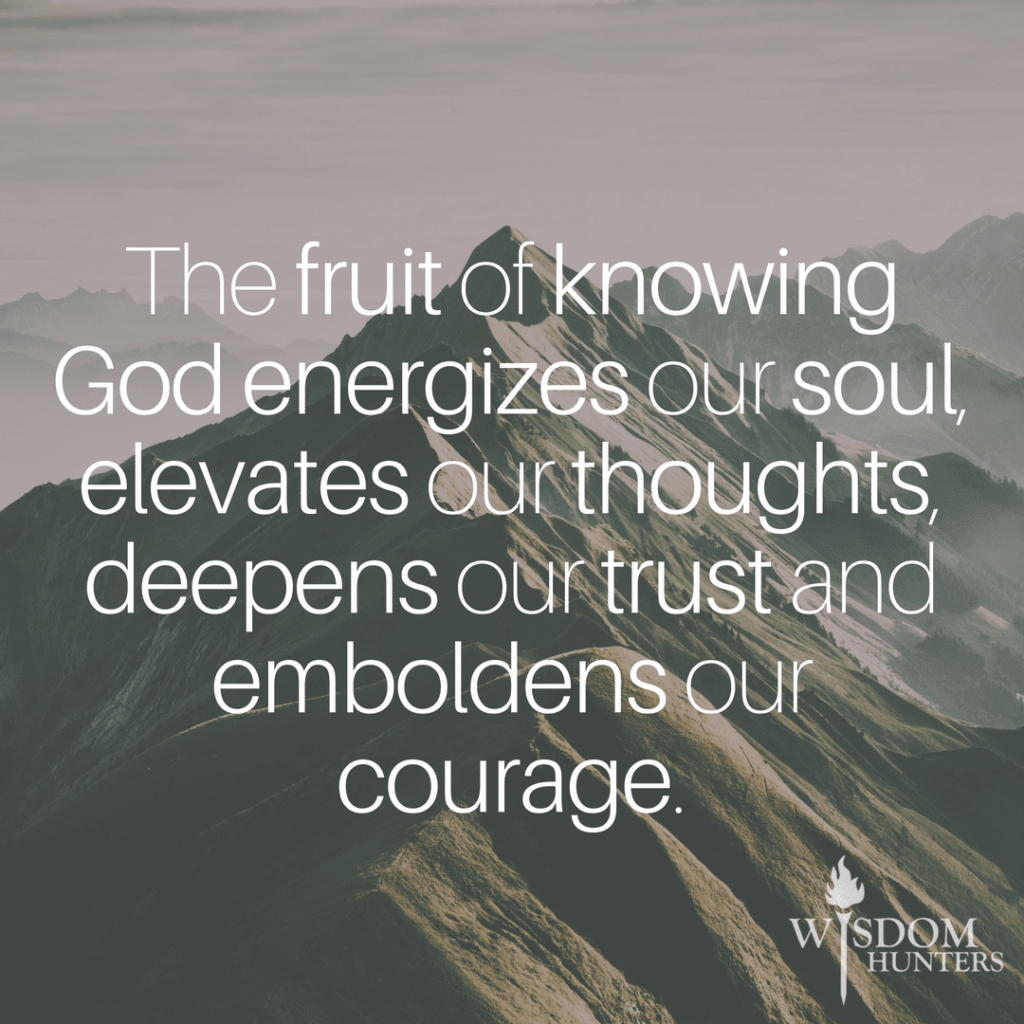
And returning repeatedly to what Jesus said fullness actually is. As John 17:3 says, it’s knowing God. That’s not a destination you reach only once. It’s a daily, moment-by-moment practice of actual relationship. The fullness you seek isn’t somewhere ahead. It’s in the knowing that’s available right now, in this season, with this shepherd.
Psalm 23:1 doesn’t say I shall not want once things improve. It says I shall not want because of WHO is with me. The fullness is relational, not circumstantial. And relationship is available in every season, including this one.
Grace for the Gap of Being Full
It took me a long time to genuinely receive the truth of fullness.
The gap between knowing contentment and living it doesn’t disqualify you from the fullness Jesus promised. It just means you’re still learning. The same way Paul was still learning, the same way every honest follower of Jesus is still learning.
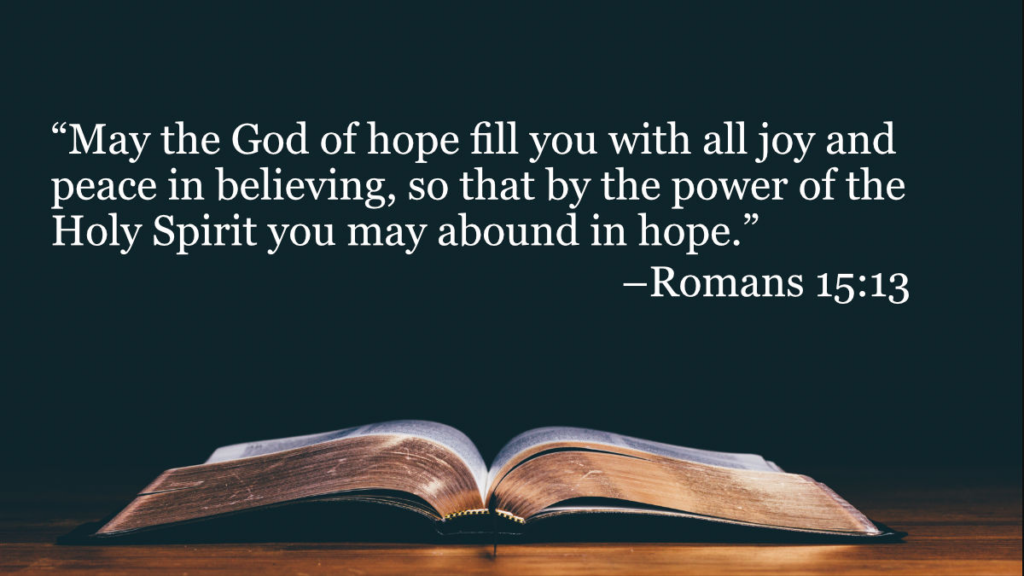
Romans 15:13 is a prayer, not a report card: “May the God of hope fill you with all joy and peace as you trust in him, so that you may overflow with hope by the power of the Holy Spirit.”
Fill you. As in you are not expected to arrive already full. You’re expected to be the person who keeps showing up to be filled. Who keeps trusting in the space where the gap is. Who keeps honestly bringing the “not-quite-enough” to the One who is more than enough and letting the exchange happen.
And that’s exactly the posture from which fullness grows.
This month, our theme is LIFE — Living in Full Expectation. And living in full expectation doesn’t mean pretending the gap isn’t there. It means expecting that the God who fills is present and active even in the middle of the not-yet-full. That’s a different kind of expectation than the one that waits for circumstances to improve. It’s the kind that finds him faithful in the ordinary Monday, in the season that hasn’t resolved yet, and in the honest admission that you’re still learning.

Join the Full Conversation
What’s one small, specific thing you find yourself genuinely grateful for this week? Something easy to overlook but worth naming out loud? Please share it in the comments. Gratitude tends to be contagious, and we could all use a little more of it today.