
Forgiving Others: The Unexpected Path that Gave Me Great Peace
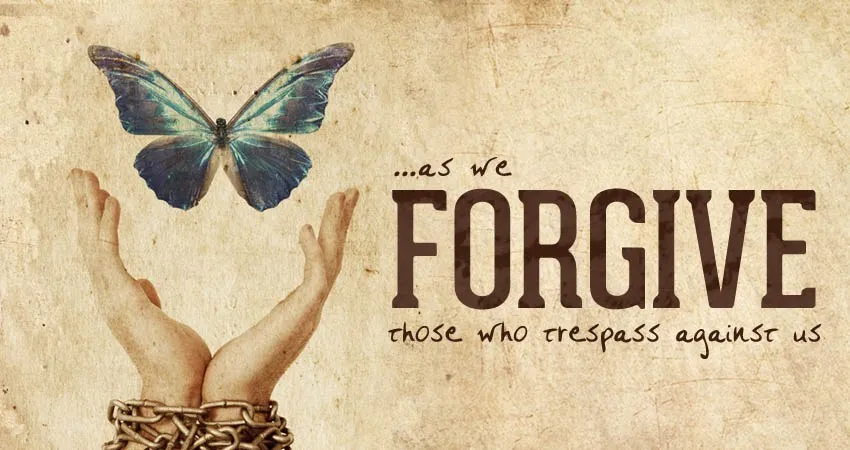
Eight years ago, a close friend said something about me to someone else. Something that wasn’t true, that found its way back to me through the worst possible chain of people and in a season when I was already running low on reserves. Forgiving others was the last thing on my mind!
I know she knew it wasn’t true when she said it. Sitting with that was hard.
I didn’t confront her immediately. Instead, I went quiet. Answering her texts with short replies, finding reasons not to get together. I kept just enough contact that she didn’t know anything was wrong, while I quietly built a very tidy case for why I couldn’t forgive her.
That case never left my mind. It replayed over and over many times.
When Forgiving Others Means Dropping the Case
For several months I carried that case file everywhere. I constantly replayed the moment I found out, the specific words repeated back to me, and the look on the face of the person who told me. I had the whole sequence memorized down to the detail.
What I didn’t have was peace.
One morning I was reading in Matthew 18. The passage where Peter asks Jesus how many times he should forgive someone who sins against him. Seven times, Peter offers, probably thinking that sounded generous. Jesus answers with seventy times seven. Then He tells a story about a master forgiving a servant’s enormous debt, only for that servant to immediately go out and throttle someone who owed him a small one.
In a moment of clarity, I recognized myself in that servant, and it made me deeply uncomfortable.
For my numerous mistakes, I had received mercy I hadn’t earned—repeatedly—from a God who knew every entry in my own case file. And here I was withholding it from someone over a single entry in hers.
What Forgiving Others Did and Didn’t Do
I called my friend that afternoon. The conversation started off a bit rocky as we engaged in surface-level chit-chat. Then, I forced myself to get honest. I could almost see her swallow once or twice and shift from one foot to the other as she hesitated to respond. After several awkward moments of silence, she finally apologized. After a brief but heartfelt further exchange, I told her I forgave her. We hung up, knowing our friendship had received a scar.
Forgiving others doesn’t instantly restore everything to the way it was before. We navigated several months of rebuilding carefully, kind of like how you test each step on a frozen pond before committing your full weight. Some things between us never fully recovered. Forgiveness doesn’t always mean full restoration. Trying to convince you of that wouldn’t be honest.
But forgiving others gave me my mornings back. The case file closed. The replay stopped. And the low-grade weight I’d been carrying simply lifted.
Romans 4:7 says our transgressions are forgiven, our sins covered. My Eternal Redeemer Covers You (MERCY). And when you’ve stood under that covering yourself, you simply can’t justify withholding it from someone else anymore. I get it, though. Forgiving others isn’t easy. But mercy received and mercy withheld cannot occupy the same heart.
The case file had to go. And the day I dropped it was one of the freest days I’ve had in years.

Join the Conversation
Have you been building a case against someone in your life? Replaying the details and reviewing the evidence while quietly withholding the mercy you yourself have received?
Spend a few minutes journaling or recording a voice memo finishing this: “The case I’ve been carrying against _____ has cost me _____, and what dropping it might actually look like is _____.” You don’t have to feel ready. You just have to be willing.