
Amazing Truth About Relational Obedience
I have a friend who knows me well enough to tell me hard things. The relationship we’ve built over years of showing up for each other has created a kind of trust where we feel safe with honesty and not threatened in any way. There’s a gentle encouragement that leads to action when either of us is guiding the other. That’s the way relational obedience works.
When she says something I don’t want to hear, I don’t walk away, because I know her heart toward me. I’ve learned over the years to value what she has to say.
This mirrors the same kind of relationship God invites us to share. Not a relationship where we comply out of obligation, but one where we lean in because we know His heart toward us, and that knowledge changes our behavior.
What Relational Obedience Actually Means
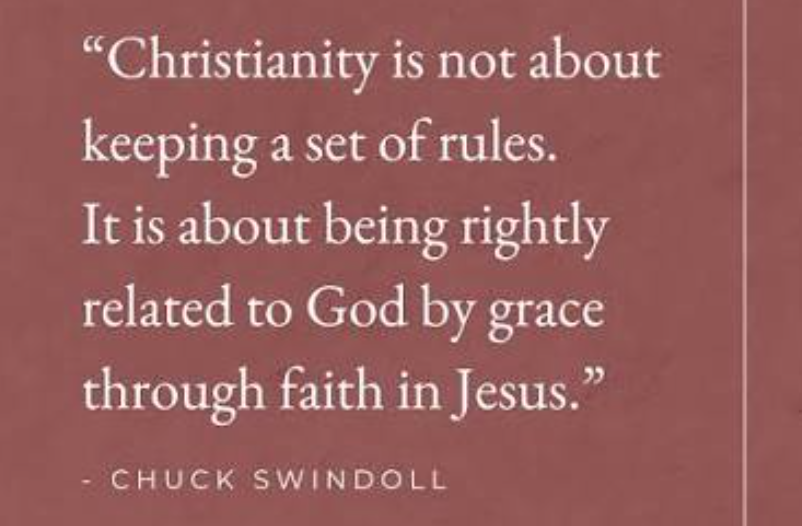
Relational obedience is completely different from rule-following. Rule-following asks, what are the boundaries? Relational obedience asks, what honors the relationship I have with them?
Those two questions each produce very different postures.
When I approach my relationship with God as a set of rules to manage, obedience feels like a checklist. But when I approach it as a relationship to tend, obedience feels a bit more like loyalty. Like showing up. Like choosing, again, to trust the One who has proven Himself trustworthy.
Psalm 90:17 captures this posture quietly: “May the favor of the Lord our God rest on us; establish the work of our hands.” That’s not a transaction. It’s a conversation between someone who knows God’s character and is asking Him to be present in the details of daily life. That’s relational obedience in prayer form.
Where Relational Obedience Gets Tested
Obedience is easy when life is comfortable and God’s direction makes obvious sense. It gets tested when the direction doesn’t make sense, when the cost feels high, or when compliance would be easier than genuine trust.
I hit one of those tests during a season when I felt clearly directed to slow down. To pull back from commitments that looked productive on the outside but were quietly draining an essential part of me. Every practical instinct I had said keep going, because the work I was doing was good work.
The relationship said rest.
Choosing REST felt irresponsible. But once I finally surrendered, it also turned out to be one of the most obedient things I’ve done in recent years. In that season, it was what honoring the relationship required.
John 15:9-10 sat with me during that time: “As the Father has loved me, so have I loved you. Now remain in my love. If you keep my commands, you will remain in my love.” Remaining. Staying close. That’s the heart of relational obedience. It’s all about staying connected to the One whose love makes obedience worth it.
What Relational Obedience Produces
It’s not always easy. In fact, it’s quite often a challenge that involves a great deal of sacrifice. But on the other side of those moments of relational obedience is a deeper knowing. A more settled confidence in who God is and how He operates. A relationship that has been tested and held, and therefore one I trust more than I did before.
That’s the fruit that becomes evidence of your faith and trust. It won’t always look like an open door or a visible reward. Sometimes, it’s just a closeness with God that can only be built through seasons of choosing Him over the comfortable, the convenient, and the self-directed.
And that closeness is abundance all by itself.

Join the Conversation
Think about your relationship with God right now. Does obedience feel more like rule-following or more like loyalty? What would it look like to move toward the latter?
Spend a few minutes journaling or recording a voice memo finishing this: “An area where I’ve been treating obedience like a rule rather than a relationship is _____, and what honoring the relationship might look like instead is _____.” Let that distinction be the starting point for something new.