How Strong Community Supports Heart Healing
I am not a private processor by nature. When something breaks in me, in a relationship, or in a season of life, my first instinct is to talk it out with others. But after years of facing betrayal from several in a community I thought I could trust and being judged for who I naturally am, I have begun to pull inward. I’ve closed off a part of my heart others need to see.
However, I haven’t yet learned to work through it in the pages of a journal, and I don’t really have any long, silent conversations with God during early mornings before the rest of the house wakes up. Instead, I channel my struggles toward work and keeping busy. In certain circumstances, there’s nothing wrong with that instinct. Some of the most significant healing in my life has happened because I took action and operated on God’s strength to keep me going.
But I’ve also learned, more than once and usually the hard way, that there are things private processing simply can’t do.
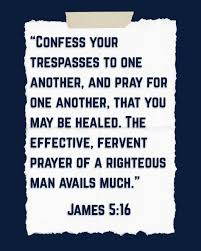
It can’t speak truth into my blind spots, because they’re the places I can’t see. It can’t carry the weight of something that was always meant to be shared. I don’t receive the particular grace of being known in my broken places and loved anyway. And I lose out on what James 5 describes when it connects healing to honest community.
Some things only mend in the presence of other people. It’s just how we were made. And we were made that way with a purpose, with intentional design.
What We Lose When We Heal in Isolation
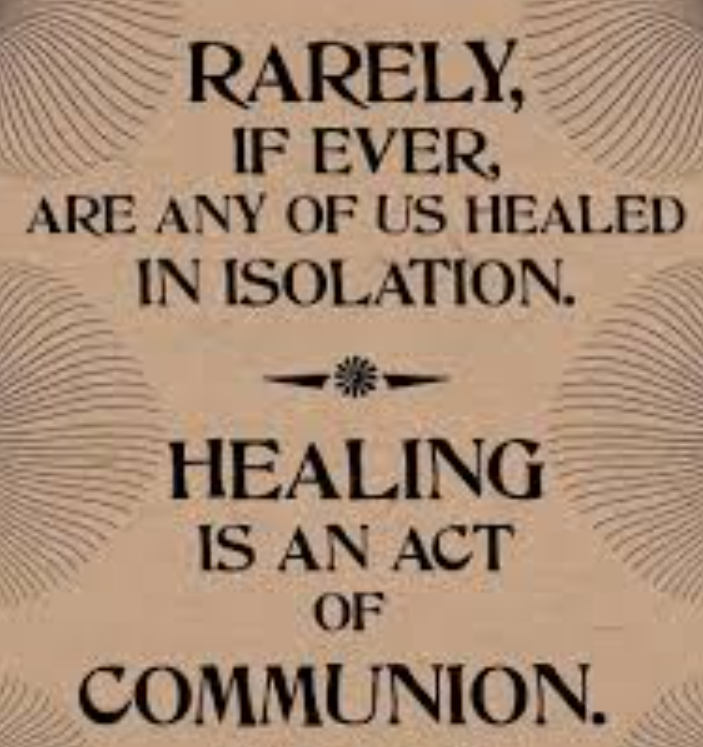
There’s a version of private healing that looks like strength from the outside and functions like avoidance from the inside.
I know this because I’ve lived it. The appearance of having it together. The carefully managed presentation of a person who is processing things well and doesn’t need much. The slow, quiet withdrawal from the people who might actually be able to help. There isn’t any hostility involved. It’s just a result of the accumulated habit of not letting things get too real with anyone.
Eventually, I have come to understand I was protecting myself from the vulnerability of being seen in an unfinished state. Of letting someone sit with me in the middle of something I hadn’t resolved yet. Of risking the disappointment of reaching out and not getting what I needed.
And those are real risks. Community isn’t a guaranteed safe space, and not everyone we reach toward will reach back in the way we hoped.
But the alternative of sealing the wound without letting anyone near it has its own cost. A healing that happens entirely in private tends to be a partial healing. The parts that require witness, that require being spoken over, that require the particular weight of someone else’s presence? Those parts stay unfinished.
As Dr. Henry Cloud said in a social media post: “We grow when we’re supported, and we have a responsibility to offer that same support to others when we’re able.”
What Good Community Actually Offers
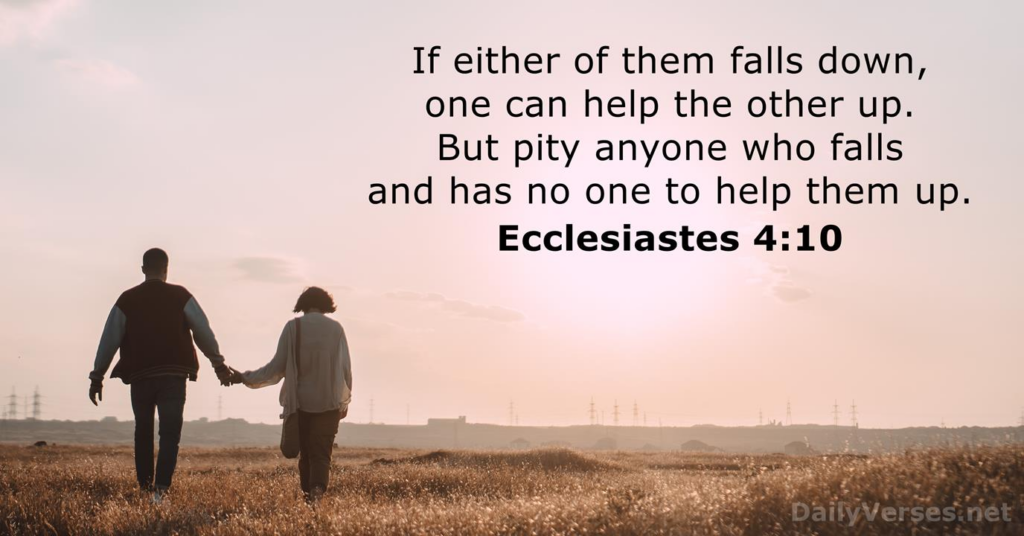
Ecclesiastes 4:9-10 gives us the practical case: “Two are better than one, because they have a good return for their labor. If either of them falls down, one can help the other up. But pity anyone who falls and has no one to help them up.”
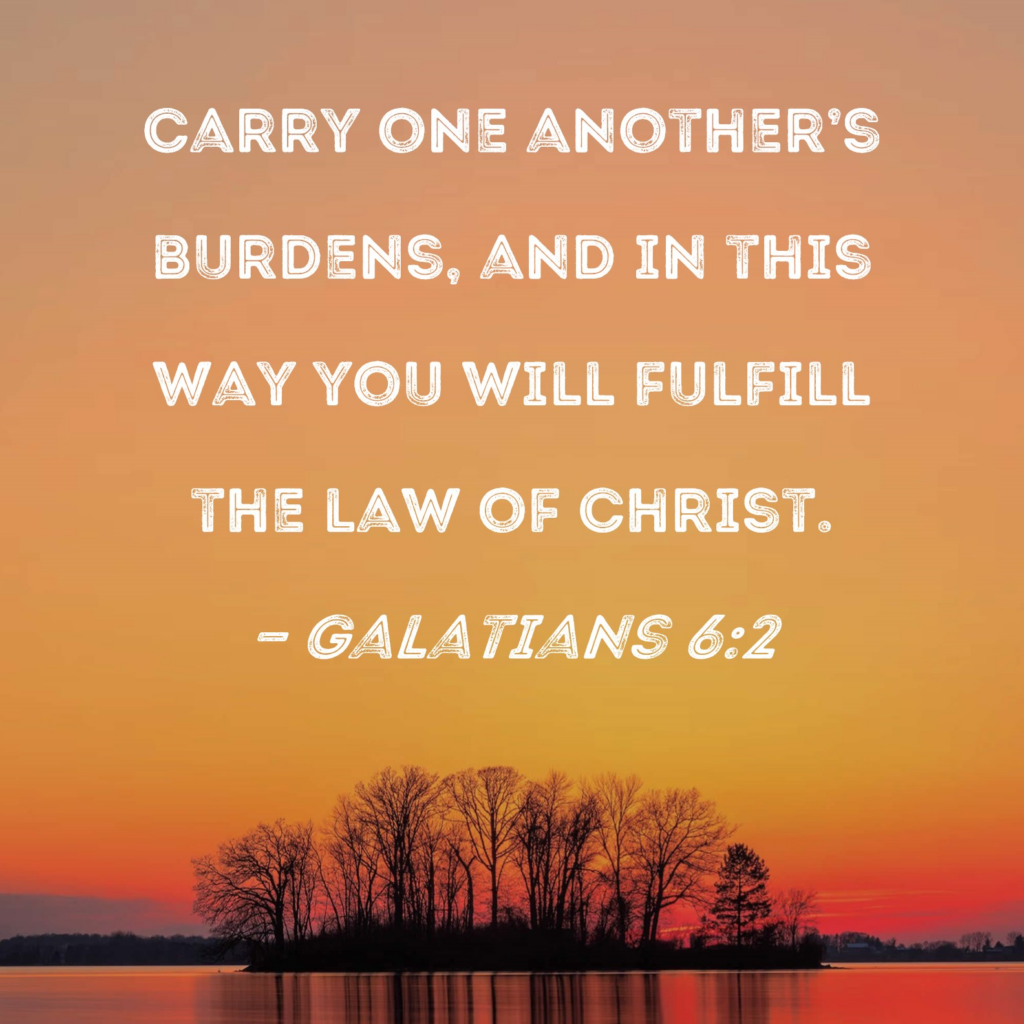
But community in the context of healing offers something even more specific than that. It offers the experience of having your wound seen and named by someone outside yourself. It offers truth. The gentle correction of the narrative you’ve built around what happened, which is almost always at least partially distorted by emotional pain. Community also offers prayer, the power of someone else interceding for your healing when you’re too tired or too close to it to pray well yourself. And it offers the simple, irreplaceable grace of not being alone in the hard parts.
None of that requires a large community or a perfectly safe one. It often just requires one person. One relationship where things are allowed to get real. One conversation where you stop performing and acting “okay” or “fine” and say the true thing instead.
When I’ve been brave enough to take that step, that one conversation has started more healing than I can count.
Finding Your Community and the Courage to Let Someone In
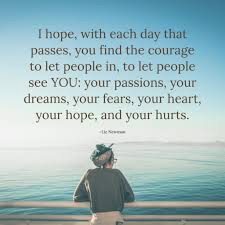
Maybe you’re that person. The one who defaults to healing alone. If you’re someone who keeps things carefully managed, relationships carefully surface-level, and a narrative that you’re fine because you have a good private practice, I have a question for you:
Who actually knows what you’re carrying right now?
This isn’t who would show up in a crisis. And it’s not who you could call if things got truly dire. But who knows the real version of this season right now? The unedited one, the one without the tidy bow?
If the honest answer is nobody, you might want to sit with that for a bit. The instinct to protect yourself makes complete sense, and it probably served you well at some point. But there’s also the quiet recognition that healing has a communal dimension that private processing cannot replace.
You don’t need to overhaul your entire social life. You might just need one honest conversation with one safe person. One small act of letting someone close enough to help carry what’s gotten too heavy to carry alone.
The wound won’t heal any faster for being hidden. But it might heal faster and more completely for being seen.
This month, our theme is RENEW — Restore Every Need, Expecting Wholeness. And wholeness is rarely a solo project. The God who designed us for community didn’t do that accidentally. He knew that some of the healing we need most would only come through the hands and voices and presence of the people he places around us. Let them in. Even just a little. Even just one.

Join the Conversation
What’s the best piece of advice or encouragement you’ve ever received from a friend or mentor during a hard season? Something that stuck with you long after the season passed? Share it in the comments. Good wisdom deserves to travel further than the conversation it came from.