Genuine Healing in the Mind and Heart
I once had a therapist tell me something about healing that I didn’t fully appreciate until about three years after she said it.
She said: “The story you’re telling yourself about what happened may be the thing that needs healing more than what actually happened.”
I nodded politely in the moment, filed it somewhere in the back of my thinking, and proceeded to spend the next several years slowly discovering that she was right.
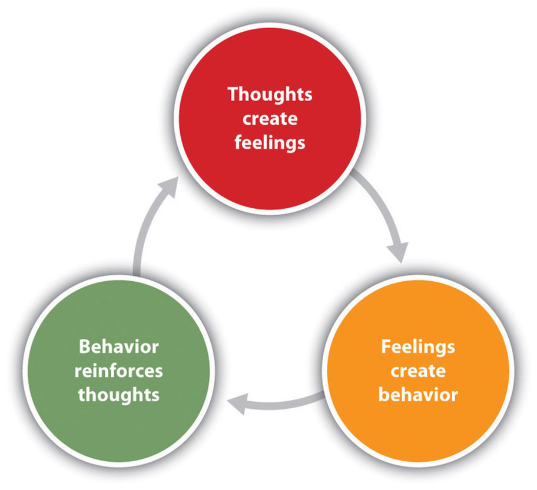
And what I learned is wounds work in a very specific way in the mind. The original hurt is real, and it matters, and it deserves to be addressed honestly. But alongside the original hurt, we build a story. An interpretation. A set of conclusions about ourselves, about other people, about God, about how safe the world is. And those conclusions, once formed, start operating as facts, even when they aren’t.
The event ends. But the story about the event keeps going. And sometimes the story does more ongoing damage than the event itself ever did.
The Thought Patterns That Outlast the Wound
Here are some of the stories I’ve caught myself telling, in various seasons and various costumes:
- I’m too much for people, so I should make myself smaller and less than what comes naturally. That one came from a specific relationship and attached itself to every relationship afterward.
- If I let my guard down and be vulnerable or transparent, I’ll get hurt again. That one came from a betrayal and became a policy.
- God is good in general but probably not paying close attention to the specifics of my situation. That one snuck in during a long season of unanswered prayer and quietly started shaping how I approached everything.
None of those stories announced themselves as stories. They announced themselves as the fully reasonable conclusions of a person who had learned from experience. And they were wrong. Maybe not entirely, but definitely wrong enough to limit me in ways I didn’t recognize. That is, until something pressed on them and they showed up in my responses, my choices, my reflexive pulling back from things that might have been good.
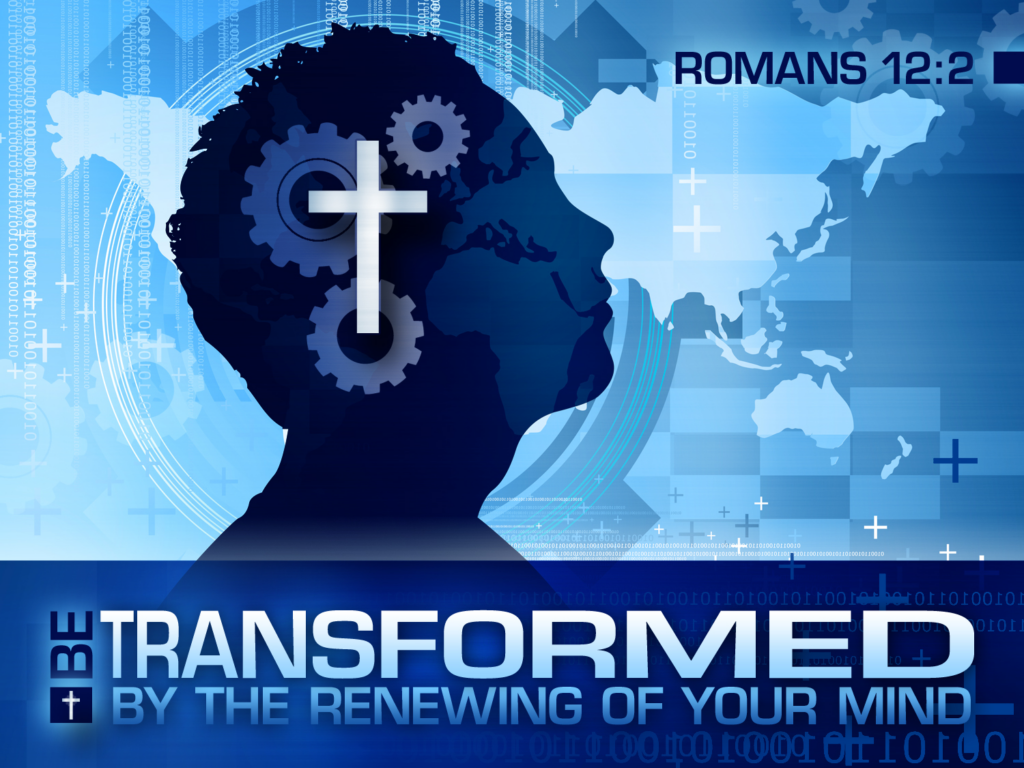
Romans 12:2 doesn’t mince words about this: “Do not conform to the pattern of this world, but be transformed by the renewing of your mind.”
The transformation is located in the mind. Not just the behavior, habits, or circumstances. The mind. The place where the stories live. The place where the conclusions got formed. The place where the healing, if it’s going to go deep enough to last, eventually has to reach.
What Renewing the Mind Actually Looks Like

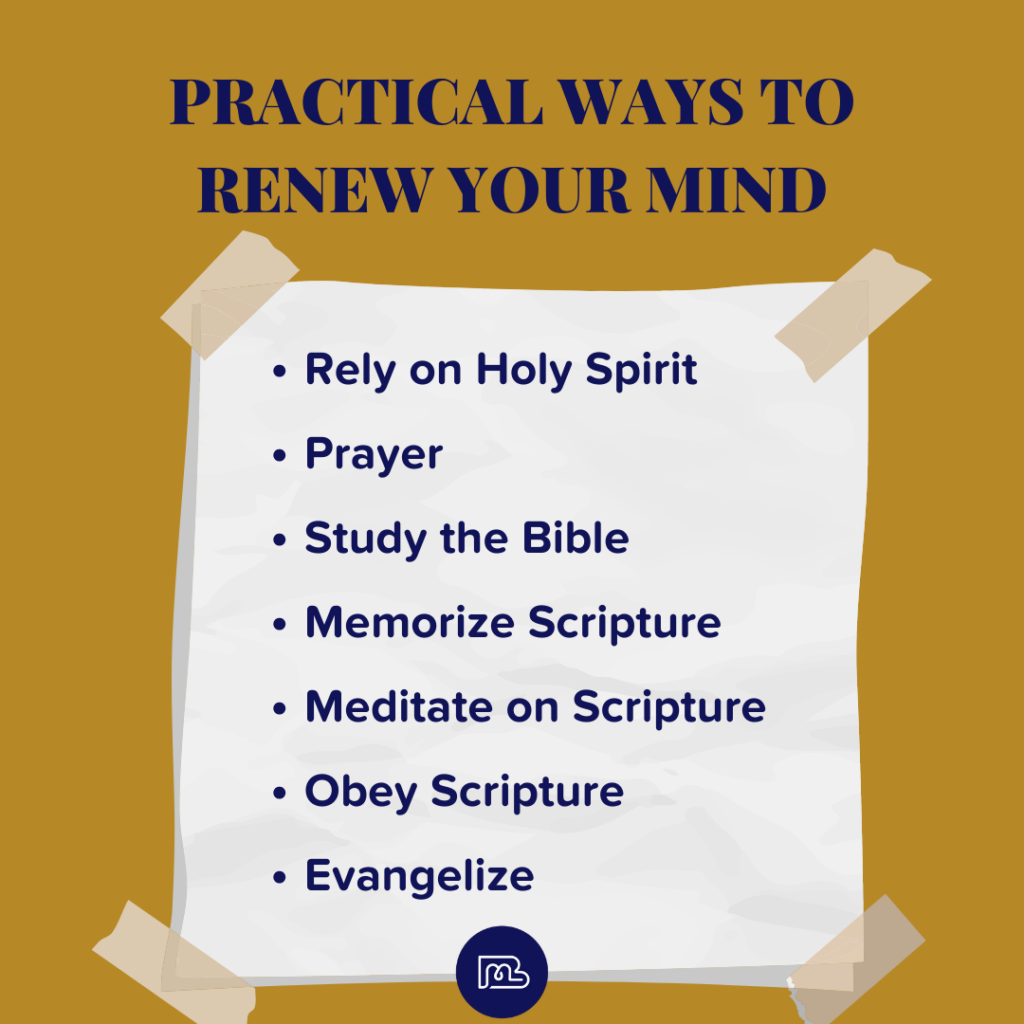
Renewal is slow, often mundane work. It doesn’t feel like a breakthrough. It feels like noticing the same unhelpful thought for the fifteenth time and choosing, again, to not let it have the final word. It’s a daily, active choice. Sometimes, moment to moment.
It looks like catching a familiar story mid-sentence — I’m too much, I should pull back, God isn’t paying attention to this — and holding it up against what’s actually true. What feels true is the story. What is true is what the Word says about who God is and who you are in him.
It looks like Philippians 4:8 functioning as a practical filter rather than a decorative verse: “Whatever is true, whatever is noble, whatever is right, whatever is pure, whatever is lovely, whatever is admirable, think about such things.” It’s an actual redirecting practice. A deliberate choice about what gets mental real estate and what doesn’t. All those other thoughts? Raise the rent, and kick them out!
And when you grow weary of trying on your own, take it prayer to lean on God’s strength. God, I keep going back to this conclusion and I know it isn’t right but I can’t seem to stop. Will you help me find the truth that replaces it?
Sometimes, you also need a counselor, a trusted friend, or a wise mentor to help you see the story you’ve been telling, because you’ve been inside it too long to see it clearly yourself.
The Mind Is Where True Healing Begins
Renewing the mind isn’t just one component of healing. In a lot of situations, it’s where the healing that actually sticks has to begin.
You can change the behavior without changing the story and find yourself circling back to the same place within a year. You can experience emotional healing in a specific area while the underlying belief structure stays intact. That only quietly generates new versions of the old wound. The external circumstances can improve while the internal narrative keeps running the old script.
But when the mind starts to renew, when the stories that were operating as facts start to get examined and replaced with what’s actually true, true healing occurs. The freedom that starts there is quieter. More stable. Less dependent on everything going right on the outside.
That’s the renewal Isaiah 40:31 is pointing toward. It’s not just a temporary boost of energy or a shift in mood. Instead, it’s a complete restoration of the thing that was broken, including the stories the breaking produced.
This month, our theme is RENEW — Restore Every Need, Expecting Wholeness. And wholeness includes the mind. The stories that are still running. The conclusions that formed around old wounds and started operating as permanent truths. The Word is not just comfort for the heart. It’s truth for the mind. When you return to it consistently, it starts to replace the old script with something that will actually hold.

Join the Conversation
Is there a verse, a quote, or a simple phrase that has functioned as a mental reset for you? Something you come back to when your thinking starts to spiral? Share it in the comments. We’d love to build a little collection of the anchors that have actually helped people redirect.
And to reflect more deeply on the specific stories you’ve been telling yourself or the conclusions that formed around old wounds, jot it down in your journal. Write the stories down. Sometimes seeing them on paper is the first step toward seeing that they’re stories, not facts.